



Car Part Warranty Cover: What’s Protected in 2026
Table of Contents
- What Does Car Part Warranty Cover
- Manufacturer Warranty vs Statutory Warranty
- Australian Consumer Law Vehicle Guarantees
- Common Exclusions and What Is Not Covered
- Does DIY Repair Void Car Warranty
- How to Claim Car Part Warranty
- Warranty Transferability and Extended Coverage
Last Updated: August 26, 2026
What Does Car Part Warranty Cover
A car part warranty is a manufacturer’s or seller’s guarantee that covers defects in materials, workmanship, and certain component failures for a specified period. It protects you against unexpected repair costs when parts fail due to manufacturing faults rather than wear and tear or misuse.
Understanding what your warranty covers is critical before purchasing replacement parts. Coverage varies dramatically depending on the warranty type, the component, and whether you’re dealing with a manufacturer’s guarantee or statutory protection under Australian Consumer Law. At Vertexark Auto Parts, we back every part with industry-leading warranty protection so you know exactly what you’re getting.
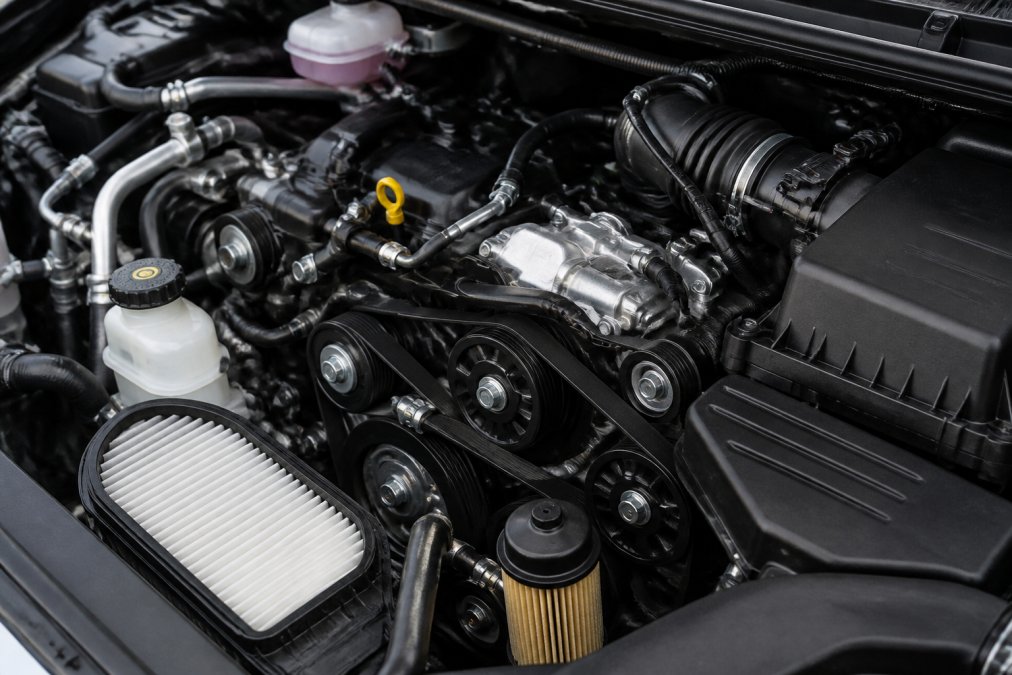
Most aftermarket parts come with one of two types of coverage: a manufacturer’s warranty that covers defects in the part itself, or statutory protections under consumer law. A manufacturer’s warranty typically covers replacement if a component fails within 12 months or a specific mileage limit due to manufacturing defects (accc.gov.au). Statutory guarantees under Australian Consumer Law are broader and don’t depend on manufacturer terms; they’re your legal right as a consumer.
Coverage typically includes replacement parts and labour costs when a component fails prematurely due to manufacturing defects. However, warranties rarely cover damage caused by improper installation, neglect, or normal wear and tear. Some warranties exclude damage from accidents, modifications, or use in extreme conditions.
Manufacturer Warranty vs Statutory Warranty
A manufacturer warranty is a voluntary promise from the parts maker that covers defects in materials and workmanship for a set period. Vertexark Auto Parts provides this commitment to replace or repair components that fail due to manufacturing faults. Manufacturer warranties typically run for 12 months from purchase or until a specific mileage threshold is reached. They’re conditional: you must use the part as intended, maintain it properly, and follow installation guidelines.
Statutory warranties are mandatory protections built into Australian Consumer Law (legislation.gov.au). They don’t depend on what a manufacturer promises; they’re your legal entitlement as a consumer. Goods must be of acceptable quality, fit for purpose, and match any description provided at sale. These protections apply automatically to any product you buy, including aftermarket car parts, and cannot be waived by a seller.
The practical difference is significant. A manufacturer warranty might exclude certain conditions or require proof of proper installation. Statutory warranties have no such conditions; if a part fails within a reasonable timeframe and the failure isn’t due to your misuse, you have a legal right to repair, replacement, or refund. Manufacturer warranties typically last 12 months; statutory protections last as long as goods are reasonably expected to last, which for car parts can be several years.
These two protections work together. Statutory warranties sit underneath manufacturer warranties as a safety net. If a manufacturer warranty expires or doesn’t cover your situation, statutory protections may still apply.
Australian Consumer Law Vehicle Guarantees
Australian Consumer Law provides statutory guarantees that apply to every car part you purchase, regardless of manufacturer warranty terms. These guarantees are not optional; they’re your legal right as a consumer in Australia.
The core statutory guarantee is that goods must be of acceptable quality. For car parts, this means they must be safe, durable, and fit for their intended purpose. A replacement engine belt must function reliably for a reasonable period. If a part fails prematurely due to a defect rather than normal wear, you have grounds to claim under statutory guarantees.
The second guarantee is that goods must be fit for purpose. If you purchase a radiator specifically for a 2005 Honda Civic, the seller has guaranteed that part will work correctly in that vehicle. Vertexark Auto Parts emphasises exact fit for this reason: we guarantee every part matches your vehicle’s specifications.
A third guarantee covers goods matching their description. If a part is advertised as "new" or "genuine," it must actually be new or genuine. If it’s listed as compatible with a specific vehicle model, it must be compatible.
Under Australian Consumer Law, if a part fails within a reasonable timeframe and the failure isn’t due to your misuse, you can claim repair, replacement, or a refund. The "reasonable timeframe" varies by component; a battery might reasonably last 3-5 years, while an alternator could last 7-10 years (accc.gov.au). These statutory guarantees cannot be excluded or limited by a manufacturer or seller.
Common Exclusions and What Is Not Covered
Warranties contain important exclusions. Understanding what’s not covered prevents disappointment when you need to claim.
Wear and tear is the most common exclusion. Brake pads, tyres, and wiper blades are expected to wear out with use. If your brake pads wear down after 50,000 kilometres of normal driving, that’s expected wear, not a defect.
Improper installation voids most warranties. If a part is installed incorrectly and that installation causes failure, the warranty doesn’t apply. This is why installation instructions matter.
Damage from accidents, collisions, or impact is typically excluded. Flood damage, fire, or theft are also excluded because they’re not defects in the part itself.
Modifications and aftermarket alterations often void warranties. If you modify a part or combine it with non-standard components in ways not recommended by the manufacturer, warranty coverage may be forfeited.
Lack of maintenance is another common exclusion. If a part fails because you neglected routine servicing or skipped oil changes, the warranty typically doesn’t apply.
Recycled or second-hand parts carry limited or no warranty in many cases. Unauthorised repairs or use of non-genuine parts can also trigger exclusions.
Does DIY Repair Void Car Warranty
DIY repair does not automatically void a warranty. However, if you perform work incorrectly and that incorrect work causes a part to fail, the warranty won’t cover the failure. The failure must be a defect in the part, not a consequence of your installation or use.
For example, if you install a replacement alternator incorrectly and it fails as a result, the warranty won’t cover it. If you install it correctly and it fails six months later due to a manufacturing defect, the warranty applies regardless of whether you or a mechanic performed the installation.
To protect yourself, follow installation instructions precisely, use correct tools, and document your work. Statutory guarantees under Australian Consumer Law provide additional protection. Even if a manufacturer tries to deny a claim because you performed DIY work, you retain statutory rights. If a part fails due to a manufacturing defect rather than your installation, you can still pursue a claim under consumer law.
Many aftermarket parts sellers, including Vertexark Auto Parts, support DIY installation. We provide detailed installation guides because we want customers to succeed with their own repairs. Our warranty covers defects in the parts we sell; it doesn’t penalise you for choosing to install them yourself.
How to Claim Car Part Warranty
Making a warranty claim requires documentation and understanding the claim process. Most sellers have specific procedures you must follow.
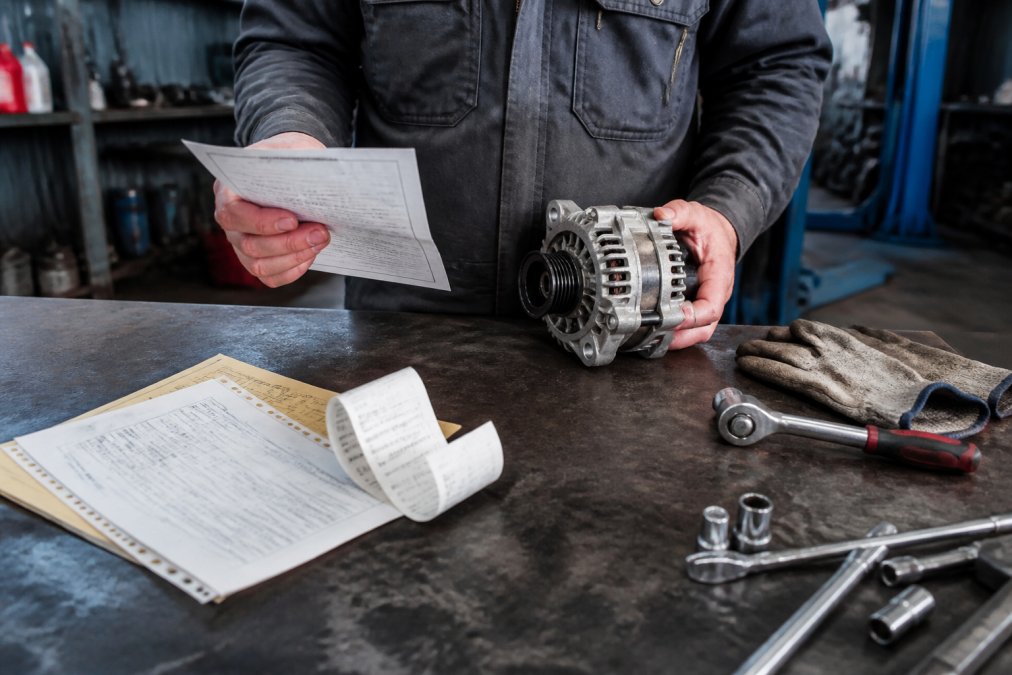
Start by gathering documentation. You’ll need your proof of purchase, the part’s warranty documentation, your vehicle’s service history, and evidence of the failure. Photographs of the failed part are helpful. Keep the failed component available for inspection; the seller may request to examine it to confirm it was a manufacturing defect.
Contact the seller or manufacturer with your claim. Provide your purchase details, part number, purchase date, and a clear description of the failure. Be specific about when the part failed, under what conditions, and what symptoms appeared.
The seller will either approve your claim or request additional information. If they approve it, they’ll typically offer repair or replacement at no cost. If they deny your claim, ask them to explain the specific reason in writing.
If a claim is denied and you believe the denial is unjustified, you have options. Under Australian Consumer Law, you can pursue the matter through consumer protection agencies or small claims processes. Many disputes are resolved through negotiation once you’ve documented your case clearly.
| Claim Stage | Action Required | Documentation Needed |
|---|---|---|
| Initiation | Contact seller with claim details | Proof of purchase, part number, failure description |
| Documentation | Provide evidence of defect | Photos, service records, failed part |
| Review | Seller investigates claim | May request part inspection or additional details |
| Resolution | Claim approved or denied | Written explanation of decision |
| Remedy | Replacement, repair, or refund | Depends on seller’s policy and warranty terms |
Warranty Transferability and Extended Coverage
Not all warranties transfer to a new owner if you sell your vehicle. Manufacturer warranties on parts are typically non-transferable. If you purchase a replacement alternator with a 12-month warranty and sell your vehicle six months later, the new owner generally cannot claim on that warranty.
Statutory guarantees under Australian Consumer Law, however, do transfer to subsequent owners. If a part fails within a reasonable timeframe, the new owner retains statutory rights and can pursue a claim under consumer law even though they weren’t the original purchaser.
Extended warranties are optional protections you can purchase to extend coverage beyond the standard manufacturer warranty period. The value depends on the part and your driving patterns. High-use components in vehicles driven in harsh conditions may justify extended coverage. Before purchasing extended warranty coverage, read the terms carefully and compare the cost against the likely replacement cost if the part fails.
Vertexark Auto Parts offers industry-leading warranty coverage on all parts, with guaranteed exact fit for your vehicle model and fast shipping. Our commitment to 100% customer satisfaction means we stand behind every part we sell with comprehensive warranty protection.
When purchasing replacement parts for your vehicle, warranty coverage is a critical factor in your decision. The protection you receive depends on the warranty type, the specific part, and your understanding of exclusions. Statutory guarantees under Australian Consumer Law provide a legal safety net that protects you regardless of what a manufacturer promises. Manufacturer warranties add an extra layer of protection when they apply. Understanding both types of coverage and knowing what’s explicitly excluded ensures you make informed purchasing decisions and know exactly where you stand if a part fails.
At Vertexark Auto Parts, we provide industry-leading warranty coverage on every part we sell, with guaranteed exact fit for your vehicle model. Shop with confidence knowing your replacement parts are protected.
Frequently Asked Questions
What parts are typically excluded from a standard car part warranty?
Most car part warranties exclude wear-and-tear items like brake pads, wiper blades, and filters that degrade through normal use. Consumables, body panels, upholstery, and glass are commonly excluded. Labour costs for installation or removal are often not covered unless the defect is due to faulty workmanship by the supplier. Check your specific warranty document, as exclusions vary between manufacturers and retailers.
Does DIY repair void car warranty on replacement parts?
Installing a part yourself does not automatically void the warranty under Australian Consumer Law. However, if the DIY installation causes damage to the part or other vehicle components, the warranty may not cover that damage. Manufacturer warranties sometimes require professional installation for coverage to apply. Keep installation documentation and receipts to support warranty claims. Always review the warranty terms before attempting DIY installation.
What documentation do I need to make a successful warranty claim?
Gather your original purchase receipt, proof of payment, the warranty certificate or policy document, and photographs of the defective part. Include service records showing maintenance history and the date the fault was discovered. Document any communication with the supplier. For parts installed professionally, obtain a copy of the work order. Submit these documents with a detailed description of the fault. The more complete your documentation, the faster your claim will be processed.
How do Australian Consumer Law guarantees differ from manufacturer warranties?
Australian Consumer Law provides statutory guarantees that goods must be of acceptable quality, fit for purpose, and safe, these apply automatically to all car parts purchased. Manufacturer warranties are optional, time-limited agreements that may offer additional coverage. Statutory guarantees cannot be excluded and apply for a reasonable period. Manufacturer warranties often have stricter conditions and shorter timeframes. Both can apply simultaneously, and you can claim under whichever is more favourable for your situation.
This article was written using GrandRanker