



Aftermarket vs OEM Parts: Which to Choose
Table of Contents
- What Are OEM Parts and Aftermarket Parts?
- Key Differences Between OEM and Aftermarket Parts
- How to Identify High Quality Engine Parts
- Pros and Cons of OEM Parts
- Pros and Cons of Aftermarket Parts
- Are Aftermarket Parts Covered by Warranty?
- Benefits of Aftermarket Performance Parts
- Safety-Critical vs Cosmetic Parts: Making the Right Call
Last Updated: August 27, 2026
What Are OEM Parts and Aftermarket Parts?
Original equipment manufacturer (OEM) parts are components produced by the vehicle’s original manufacturer or authorised suppliers, engineered to match your vehicle’s precise technical specifications, fitment accuracy, and performance standards.
Aftermarket parts are replacement components manufactured by third-party suppliers rather than the original vehicle manufacturer. The aftermarket automotive industry encompasses thousands of manufacturers competing to offer alternatives at various price points and quality levels.
The fundamental distinction lies in origin and accountability. OEM parts carry the manufacturer’s guarantee and are part of the original supply chain. Aftermarket parts come from independent suppliers who must meet industry standards and certifications, but operate outside the manufacturer’s direct control. Both can be legitimate, certified parts meeting safety compliance requirements; the choice depends on your priorities around cost, warranty coverage, and performance expectations.
OEM parts are factory-original components; aftermarket parts are third-party replacements designed to fit your vehicle. Both can be high-quality, but they differ in warranty coverage, cost, and availability.
Key Differences Between OEM and Aftermarket Parts
Manufacturing and Quality Assurance
OEM parts undergo rigorous mass production processes controlled by the vehicle manufacturer with direct accountability to the brand. Aftermarket parts vary widely; some manufacturers employ equally strict quality assurance procedures, whilst others prioritise cost reduction over durability. Quality assurance depends entirely on which aftermarket supplier you select.
Technical Specifications and Fitment Accuracy
OEM parts are engineered to exact vehicle specifications, guaranteeing installation compatibility without modification. Aftermarket parts are designed as direct replacements, but manufacturing tolerances and material choices may vary slightly. Most certified aftermarket parts fit properly, though some budget alternatives may require minor adjustments.
Warranty Coverage and Longevity
OEM parts typically come with manufacturer warranty coverage aligned with your vehicle’s warranty period, often extending to entire vehicle systems if the part fails prematurely. Aftermarket parts generally carry shorter warranties, often 12 months or limited to the part itself. OEM parts are engineered for the vehicle’s expected lifespan, whilst aftermarket durability varies by manufacturer and price point.
Availability and Supply Chain
OEM parts flow through authorised dealerships and official distribution channels, with availability depending on whether your vehicle model is still in production. Aftermarket parts are distributed through independent retailers, online platforms, and specialist suppliers, typically offering faster availability and wider geographic access, particularly for older vehicle models.
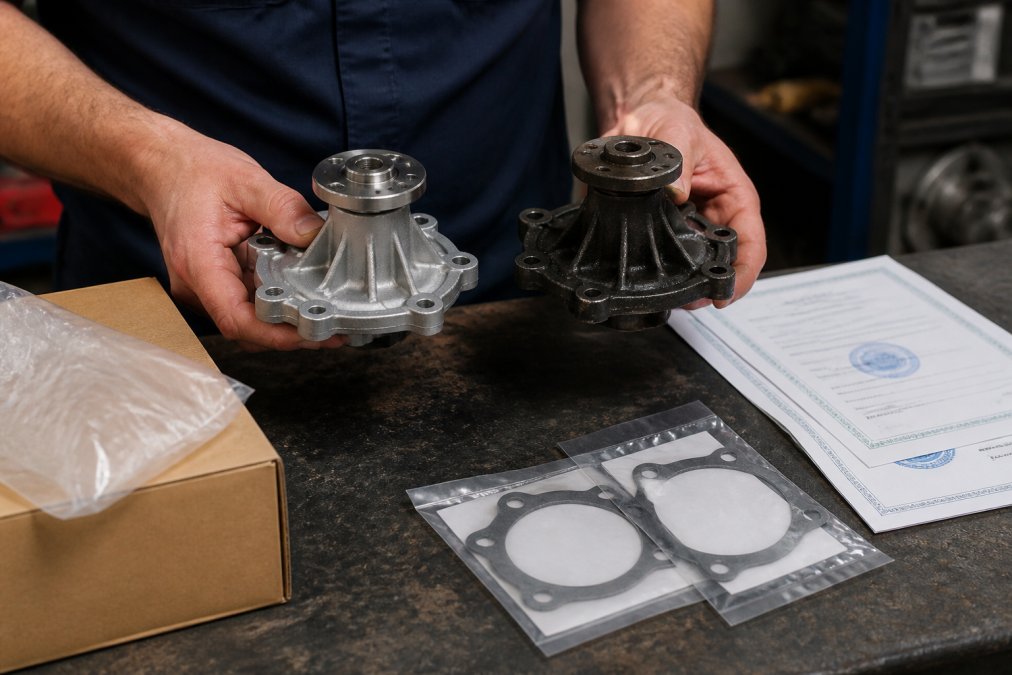
How to Identify High Quality Engine Parts
Certification and Standards Compliance
Look for parts carrying recognised certification marks. Reputable aftermarket manufacturers display ISO certifications, industry-specific standards compliance, and third-party testing credentials. For engine components, check for compliance with Australian Design Rules (ADR) standards. Verify that aftermarket suppliers are authorised dealers for certified manufacturers with documented quality histories.
Packaging and Documentation
Genuine parts come in professional packaging with clear labelling including part numbers, technical specifications, and manufacturing information. Counterfeit parts often feature poor-quality printing or missing certification details. Legitimate aftermarket suppliers provide detailed product documentation, installation instructions, and warranty terms.
Part Number Verification
Every legitimate part carries a manufacturer part number that can be cross-referenced against official specifications for your vehicle model. Confirm the part number matches your vehicle’s requirements before purchasing. Reputable suppliers use exact fitment matching systems that verify compatibility with your specific vehicle registration.
Supplier Reputation and Warranty Terms
Purchase from established retailers with transparent warranty policies and customer support. Suppliers offering industry-leading warranties demonstrate confidence in their parts’ quality. Avoid sellers offering unusually low prices without clear justification, as this often indicates lower-grade materials or counterfeit products.
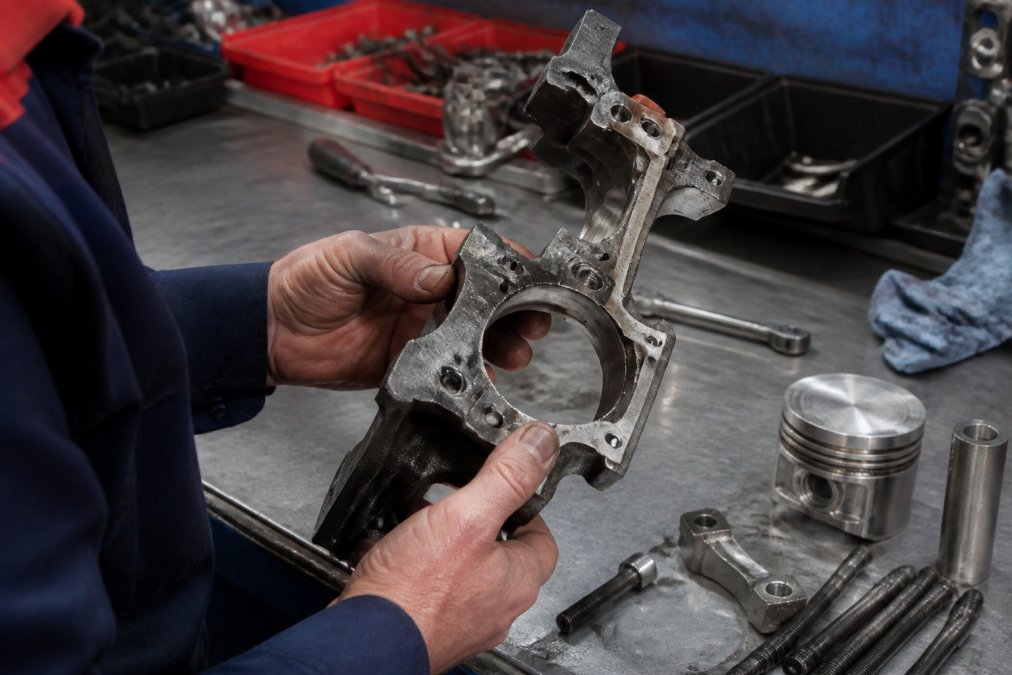
Cross-reference the part number against your vehicle’s technical specifications before ordering. Exact fitment matching prevents costly installation errors and warranty disputes later.
Pros and Cons of OEM Parts
Advantages of OEM Parts
OEM parts guarantee fitment accuracy and performance compatibility. Warranty coverage is comprehensive; if an OEM part fails prematurely, the vehicle manufacturer typically covers repairs under the vehicle’s warranty system. OEM parts maintain resale value, as buyers prefer vehicles serviced with factory-original components. For vehicles still in warranty, using OEM parts is typically required to maintain coverage. Performance and longevity are predictable, engineered for the vehicle’s entire service life.
Disadvantages of OEM Parts
Cost is the primary drawback, reflecting the manufacturer’s brand, quality assurance infrastructure, and warranty obligations. For high-wear components like brake pads or filters, this cost difference accumulates over the vehicle’s lifetime. Availability can be limited for older vehicles once production support ends. Repair flexibility is restricted; if an OEM part is unavailable, you cannot easily substitute an alternative without potentially voiding warranty coverage.
Pros and Cons of Aftermarket Parts
Advantages of Aftermarket Parts
Cost savings are substantial, particularly for high-wear components. Quality aftermarket parts cost 30-60% less than OEM equivalents, making vehicle maintenance more affordable (peer-reviewed research). Availability is superior, especially for older vehicles, as aftermarket manufacturers continue producing parts for discontinued models long after OEM support ends. Choice and customisation are significant benefits; the aftermarket industry offers performance variants, upgraded materials, and specialised options not available through OEM channels. Faster sourcing and shipping are typical, with independent retailers maintaining larger inventories.
Disadvantages of Aftermarket Parts
Quality variability is the primary concern; unlike OEM parts from a single source, aftermarket quality depends entirely on which manufacturer you choose. Warranty coverage is typically limited to 12 months and covers only the part itself, not related vehicle systems. Fitment issues occasionally arise, though certified aftermarket parts generally meet direct-replacement specifications. Using non-OEM parts may affect vehicle warranty coverage; check your warranty terms before switching to aftermarket components.
Budget aftermarket parts sometimes fail prematurely, costing more in labour and related repairs than the initial savings. Research specific brands and read customer reviews before choosing the cheapest option.
Are Aftermarket Parts Covered by Warranty?
Aftermarket Part Warranties
Most aftermarket parts come with manufacturer warranties ranging from 12 months to 3 years, covering defects in materials or workmanship (accc.gov.au). However, aftermarket warranties usually cover only the part itself, not labour costs or damage to related components. Some premium aftermarket manufacturers offer extended warranties reflecting confidence in quality. Always verify warranty terms before purchasing, as coverage varies significantly between suppliers.
Vehicle Warranty Implications
If your vehicle is under manufacturer warranty, installing non-OEM parts can affect coverage. The manufacturer may deny warranty claims on the vehicle system containing the aftermarket part. However, Australian Consumer Law provides protections; if an aftermarket part fails and causes damage to other vehicle systems, you may have recourse through consumer protection legislation (accc.gov.au). For vehicles outside the manufacturer warranty period, aftermarket parts pose no warranty risk to the vehicle itself.
Insurance Claim Considerations
Insurance companies typically accept aftermarket parts in claim repairs. However, some policies specify that repairs must use OEM parts or approved alternatives. Check your policy documents before choosing aftermarket components. If you have outstanding finance or lease agreements, check the terms carefully, as some contracts require OEM parts for all repairs.
Benefits of Aftermarket Performance Parts
Engine and Drivetrain Performance
Aftermarket engine components, including intake manifolds and exhaust systems, are engineered to increase power output and efficiency. Performance transmission and drivetrain parts offer improved shift quality, faster engagement, and enhanced durability under high-stress driving.
Suspension and Handling
Aftermarket suspension components like shock absorbers are engineered for specific driving conditions. Performance variants provide improved handling, reduced body roll, and better steering feedback compared to OEM suspension tuned for comfort.
Cooling and Thermal Management
High-performance driving generates significant heat. Aftermarket cooling system components are engineered for superior heat dissipation, maintaining optimal operating temperatures during sustained high-performance driving.
Material Quality and Longevity
Premium aftermarket performance parts often use superior materials compared to OEM equivalents. Forged aluminium, reinforced polymers, and precision-machined components offer improved durability under stress and longer service life in demanding applications.
Safety-Critical vs Cosmetic Parts: Making the Right Call
Safety-Critical Components
Brake system components, suspension parts, steering components, seatbelts, airbag systems, and lighting components all directly affect vehicle safety. For safety-critical components, quality is non-negotiable; use only certified aftermarket parts from reputable manufacturers or choose OEM components. Budget alternatives are never worth the safety risk.
Cosmetic and Non-Critical Components
Interior trim, exterior body panels, and lighting bezels carry minimal safety implications and are suitable for aftermarket alternatives. Consumable components like air filters, cabin filters, and wiper blades are non-critical and ideal for cost-saving aftermarket substitution.
Decision Framework
Ask yourself: does this component affect vehicle safety, stability, or control? If yes, prioritise quality and use certified aftermarket or OEM parts. Does this component wear out regularly or affect appearance only? If yes, budget aftermarket options are acceptable. Professional installation is particularly important for safety-critical components, ensuring high-quality parts are installed correctly.
Safety-critical components: certified aftermarket or OEM parts. Cosmetic and consumable components: budget aftermarket options acceptable. When uncertain, consult with a professional mechanic.
Choosing between aftermarket and OEM parts requires balancing cost, quality, and safety considerations specific to each component and your vehicle’s circumstances. For safety-critical systems, quality and fitment accuracy justify premium pricing. For consumable and cosmetic components, aftermarket alternatives offer genuine value without compromising reliability. Vertexark Auto Parts combines the convenience of online shopping with expert support and industry-leading warranties, ensuring you find the right parts for your vehicle at competitive pricing. Shop now and experience the difference that guaranteed exact fit and comprehensive warranty coverage make for your vehicle maintenance.
Frequently Asked Questions
Q: Is it better to buy OEM parts or aftermarket parts?
A: The choice depends on your priorities. OEM parts guarantee exact fitment and factory specifications, making them ideal for safety-critical components and warranty-sensitive situations. Aftermarket parts often cost less and offer performance upgrades, suiting budget-conscious owners and those seeking enhanced capability. For engine components, brake systems, and suspension, consider OEM for reliability; for accessories and cosmetic upgrades, aftermarket provides excellent value. Your vehicle's age, warranty status, and the specific part's function should guide your decision.
Q: Are aftermarket parts covered by warranty?
A: Aftermarket parts typically come with their own manufacturer's warranty, separate from your vehicle's factory warranty. However, using aftermarket parts may void your vehicle's original warranty for that component or related systems, depending on your warranty terms. Always check your vehicle's warranty documentation before installing aftermarket parts. Many quality aftermarket suppliers, including Vertexark Auto Parts, offer industry-leading warranties on their products, ensuring protection and peace of mind on your purchase.
Q: How can I identify high quality engine parts?
A: Look for certified parts from reputable manufacturers with established track records. Quality engine parts carry clear branding, proper certification marks, and detailed technical specifications matching your vehicle's requirements. Verify fitment accuracy by cross-referencing part numbers with your vehicle identification number (VIN). Check for evidence of quality assurance processes and read customer reviews. Suppliers offering guaranteed exact fit and easy returns demonstrate confidence in their product quality. Avoid parts with unclear markings, missing documentation, or suspiciously low pricing, as these often indicate counterfeit or substandard components.
Q: What are the benefits of aftermarket performance parts?
A: Aftermarket performance parts allow you to customise and enhance your vehicle beyond factory specifications. They offer improved horsepower, better handling, upgraded suspension, enhanced braking, and aesthetic upgrades tailored to your driving style. Performance-oriented drivers gain access to specialised components engineered for specific conditions, whether off-road capability or track performance. These parts often cost less than OEM equivalents whilst delivering measurable improvements. Quality aftermarket performance parts maintain reliability and durability whilst delivering the customisation that genuine components cannot provide.
Q: What happens if an aftermarket part fails after installation?
A: If an aftermarket part fails, the manufacturer's warranty typically covers replacement or repair at no cost, provided the failure results from a defect rather than misuse or improper installation. Reputable suppliers like Vertexark Auto Parts offer easy returns and warranty support to ensure customer satisfaction. Document the failure with photos and keep your purchase receipt and warranty documentation. Contact the supplier's customer service team immediately, most quality retailers process warranty claims quickly. Professional installation protects your rights, as DIY installation errors may void warranty coverage.
This article was written using GrandRanker