



Automotive Part Warranty Cover: Complete Guide
Table of Contents
- What Is Automotive Part Warranty Cover?
- Manufacturer Warranty vs. Dealer Warranty vs. Statutory Warranty
- What Is Covered Under Automotive Part Warranty
- What Voids a Car Part Warranty
- Automotive Part Warranty Duration and Limits
- Australian Consumer Law Automotive Guarantees
- How to Claim Warranty on Car Parts
- Common Warranty Exclusions and What Is NOT Covered
- Frequently Asked Questions
Last Updated: August 31, 2026
What Is Automotive Part Warranty Cover?
An automotive part warranty is a manufacturer’s or seller’s guarantee that a replacement component will function as intended for a specified period or distance. This protection covers defects in materials and workmanship that cause the part to fail under normal use, not normal wear and tear or misuse. The scope depends on whether it’s an original equipment manufacturer (OEM) component or aftermarket replacement, and which country’s consumer protection laws apply. In Australia, statutory consumer guarantees provide baseline protection alongside any manufacturer’s warranty.
Always request and retain your warranty documentation at the point of purchase. Keep proof of the transaction date and the part’s serial number if applicable. Claim denials often stem from missing documentation, not from actual coverage gaps.
Manufacturer Warranty vs. Dealer Warranty vs. Statutory Warranty
Manufacturer warranty is issued by the company that produced the part, typically covering defects in materials and workmanship for 12 months from purchase or 40,000 to 100,000 kilometres, depending on the component.
Dealer warranty is offered by the retailer selling you the part. Many dealers offer extended coverage beyond what the manufacturer provides.
Statutory warranty is your legal right under Australian Consumer Law. This guarantee exists independently of any manufacturer or dealer warranty and cannot be removed by fine print. Statutory consumer guarantees require that goods be of acceptable quality, fit for purpose, and match any description provided (accc.gov.au). These guarantees apply for a reasonable period, typically up to six years for goods, though the first 12 months carry a stronger presumption of defect (accc.gov.au).
The critical distinction: manufacturer and dealer warranties are contractual; statutory warranties are legal rights that exist regardless of what a warranty document says. If a part fails within the statutory guarantee period, you have legal recourse even if the manufacturer’s warranty has expired.
ACCC consumer guarantees guidance provides detailed information on your rights. Many car owners don’t realise that statutory protections often provide stronger coverage than the manufacturer’s limited warranty, especially for components that fail shortly after purchase.
What Is Covered Under Automotive Part Warranty
Mechanical defects and design faults
A mechanical defect is a flaw in how the part was manufactured or assembled that causes it to malfunction. Design faults are inherent problems with the part’s design that make it unsuitable for its intended purpose. Both are covered under most automotive part warranties because neither results from user error or normal deterioration. Examples include internal corrosion in a fuel injector, a cracked seal in a water pump, or a faulty bearing in an alternator.
Mechanical defects and design faults are the core of what automotive part warranties exist to cover. If a part fails because it was made wrong or designed poorly, that’s a warranty claim.
Defective components and faulty workmanship
Defective components refers to substandard parts used during manufacturing, such as a cheap bearing installed inside a transmission cooler that fails prematurely. Faulty workmanship is poor assembly or finishing that causes premature failure, such as misaligned threads, improper welding, or a sensor installed backwards. Both are covered under automotive part warranties because they represent failures of the manufacturer’s quality control.
What Voids a Car Part Warranty
DIY installation and improper maintenance
Installing a part yourself doesn’t automatically void the warranty, but installing it incorrectly does. If you fit an alternator and the wiring is reversed, causing it to overheat and fail, the warranty doesn’t cover that failure because it resulted from your installation error, not a manufacturing defect. Improper maintenance is similarly exclusionary. Documentation matters: if you have service records showing regular maintenance, you have evidence supporting your claim that the failure wasn’t due to neglect.
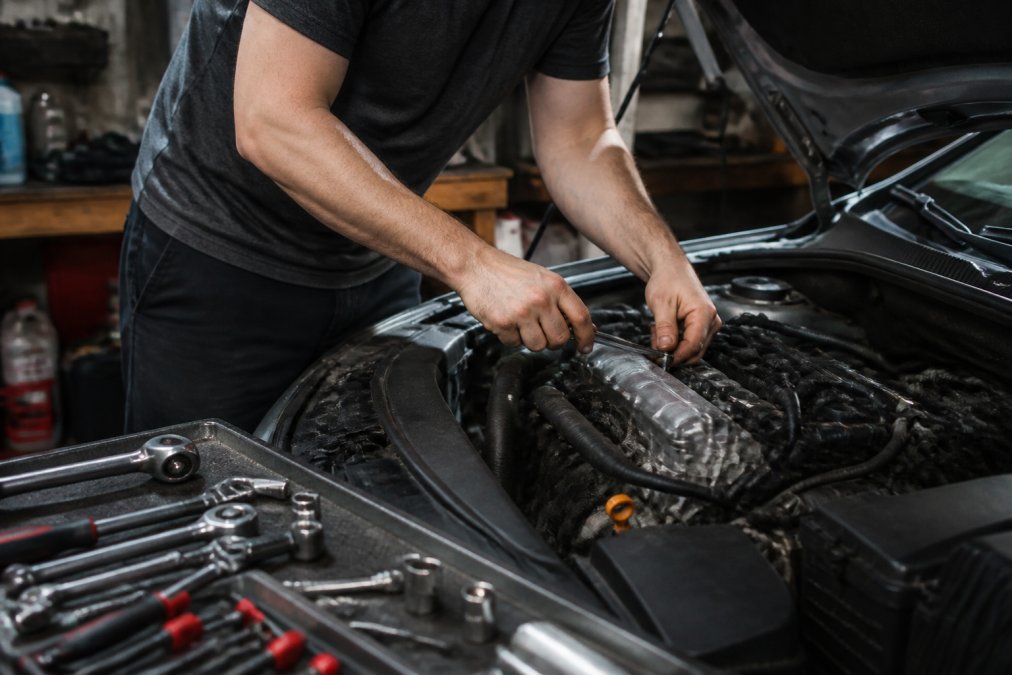
Many warranties specify that installation must be performed by an authorised repairer or qualified mechanic. Always check the warranty terms before you begin work.
If your warranty requires professional installation and you install the part yourself, you may forfeit all coverage. This is one of the most common reasons for claim denials. Read the warranty document before you touch a wrench.
Aftermarket parts and unauthorised repairs
Using aftermarket parts in place of OEM components can void the warranty on the original part if damage results from incompatibility. However, the warranty on the aftermarket part itself is separate. Unauthorised repairs are work performed by someone other than the manufacturer’s designated service network. If you take a part to an independent mechanic for repair rather than returning it to an authorised repairer, the manufacturer may deny warranty claims related to that repair. Check your warranty document to understand which repair facilities are approved.
The automotive part warranty on components purchased through Vertexark Auto Parts is backed by our commitment to exact fit and quality.
Automotive Part Warranty Duration and Limits
Warranty periods vary dramatically depending on the component type and manufacturer. An engine oil filter might carry a 12-month warranty, while a transmission cooler might be guaranteed for 36 months or 100,000 kilometres, whichever comes first. Some premium components are warranted for the life of the vehicle or five years. The odometer limit is equally important. A part might be warranted for 12 months but only up to 80,000 kilometres of driving. Once your vehicle reaches that distance, the warranty expires even if less than 12 months have passed.
Some warranties are non-transferable, meaning they apply only to the original purchaser. Labour costs and installation fees are rarely covered under a parts warranty. The warranty typically covers the cost of replacing the defective part, not the labour required to remove the old one and install the new one.
Australian Consumer Law Automotive Guarantees
The Australian Consumer Law provides statutory consumer guarantees that apply to all goods sold in Australia, including automotive parts. These guarantees are separate from and often stronger than manufacturer warranties. They cannot be excluded or limited by a seller’s terms and conditions.
Under the Australian Consumer Law, goods must be of acceptable quality. For automotive parts, this means they must be safe, durable, and fit for the purposes for which they’re commonly used. A replacement alternator must generate electrical current reliably. A brake pad must provide adequate stopping power. If a part fails to meet this standard within a reasonable time, you have a legal right to a remedy.
Goods must also be fit for a particular purpose if you’ve made that purpose known to the seller. If you tell Vertexark Auto Parts that you need a part for a specific application and we recommend one based on that information, the part must be suitable for that use. Remedies under the consumer guarantee include repair, replacement, or refund. You have the right to choose the remedy you prefer, though the seller can refuse if the remedy you’ve chosen is unreasonable. car key protection.
How to Claim Warranty on Car Parts
Step-by-step claim process
Step 1: Gather documentation. Locate your proof of purchase, warranty document, and any service records related to the part. Photograph the failed part if possible, showing the failure clearly. Document the exact symptoms and write down the vehicle’s current odometer reading and the date the failure occurred.
Step 2: Diagnose the failure. Determine whether the failure is actually covered by the warranty. Is it a manufacturing defect, or could it result from improper installation or maintenance? If you’re uncertain, have a qualified mechanic inspect the part and provide a written assessment.
Step 3: Contact the seller or manufacturer. If you purchased the part through Vertexark Auto Parts, initiate contact through our customer service channels. Provide your proof of purchase and a clear description of the failure. Have your part number, serial number (if applicable), and purchase date ready.
Step 4: Submit your claim. Most manufacturers accept claims via email, phone, or their online portal. Submit all documentation at once: proof of purchase, warranty document, photographs of the failure, and any mechanic’s assessment. Be specific about what you’re claiming and explain why you believe the failure is covered.
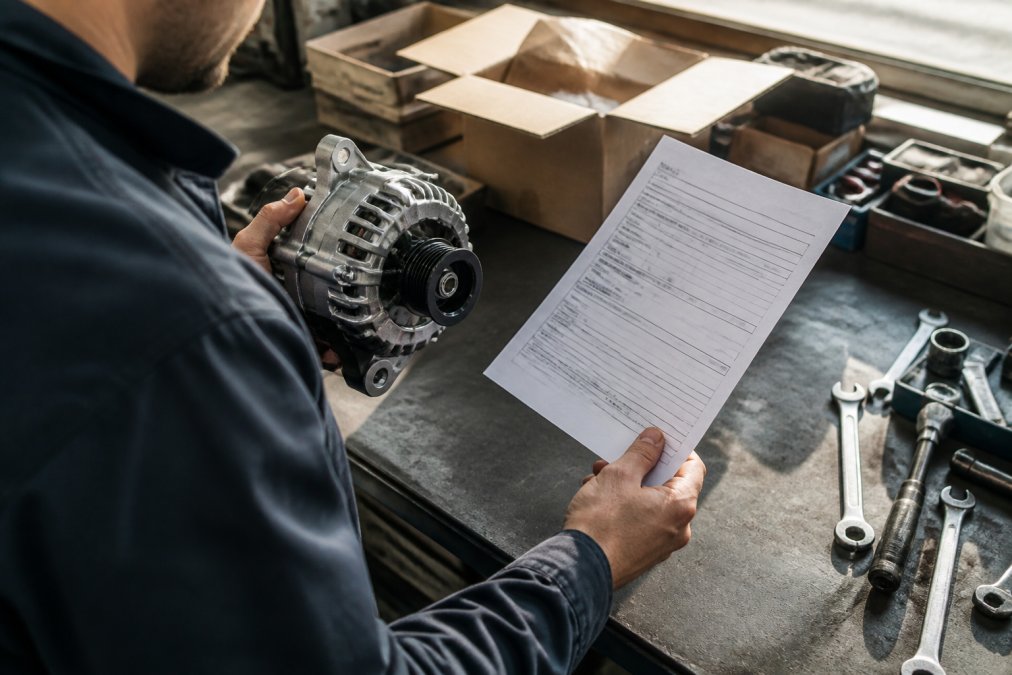
Step 5: Wait for assessment. The manufacturer or seller will review your claim. This can take days or weeks depending on their process. They may request additional information or photographs. Respond promptly to any requests.
Step 6: Escalate if necessary. If your claim is denied and you believe the denial is unjustified, escalate to a supervisor or manager at the seller or manufacturer. If you’ve purchased through Vertexark Auto Parts and are unsatisfied with the response, you can lodge a complaint with the ACCC or pursue a claim under the Australian Consumer Law.
Documentation and proof of purchase
Your proof of purchase is the foundation of any warranty claim. This is typically a receipt, invoice, or order confirmation showing the date, part number, price, and seller. Digital receipts are acceptable. If you’ve lost the original receipt, contact the seller and request a copy. The warranty document itself is equally critical.
Service records prove you’ve maintained the vehicle properly. Keep receipts from every service: oil changes, filter replacements, fluid top-ups, and any repairs. Photographs of the failed part are valuable evidence, showing the specific failure with a ruler or coin nearby to show scale. A mechanic’s written assessment is powerful evidence in warranty disputes.
Common Warranty Exclusions and What Is NOT Covered
Wear and tear items
Wear and tear refers to gradual deterioration that results from normal use. Brake pads wear down as you brake. Clutch plates wear as you engage and disengage the clutch. Spark plugs eventually foul and stop firing efficiently. Warranties don’t cover wear and tear because the parts are designed to be consumable.
The distinction between wear and premature failure is crucial. If a brake pad wears completely after 80,000 kilometres of normal driving, that’s wear and tear. If it wears completely after 10,000 kilometres despite normal driving, that might be premature failure covered by warranty. Corrosion and rust are often excluded unless they result from a manufacturing defect.
Wear and tear is the most common reason warranty claims are denied. Understand what your part is designed to do and how long it’s expected to last. If it fails sooner than that, you may have a claim.
Labour costs and service charges
A parts warranty covers the cost of the part itself, not the labour to install it or remove the failed component. If you claim a defective alternator and the manufacturer replaces it, they cover the alternator’s cost. They don’t cover the mechanic’s labour to remove the old alternator and install the new one.
This distinction is significant. Replacing a part can cost more in labour than the part itself. A fuel pump might cost £150, but removing it from the fuel tank and installing a replacement might cost £400 in labour. The warranty covers the £150 part, but you’re responsible for the £400 labour.
Some extended warranties and dealer warranties explicitly include labour coverage. Standard manufacturer warranties almost never include labour.
Understanding what your automotive part warranty covers is essential to protecting your investment and avoiding unexpected repair costs. Manufacturing defects and faulty workmanship are covered; wear and tear, labour, and misuse are not. Keep your documentation organised, follow installation and maintenance instructions carefully, and don’t hesitate to claim when a part fails due to a manufacturing defect.
At Vertexark Auto Parts, we stand behind every component we sell with industry-leading warranty coverage and a commitment to exact fit. When you purchase a part through us, you’re getting the assurance that if something goes wrong due to a defect in materials or workmanship, we’ll make it right. Our team can answer specific questions about your part’s coverage, guide you through the claim process, and advocate on your behalf if a dispute arises. Shop with confidence knowing your automotive parts are protected.
Frequently Asked Questions
What does an automotive part warranty cover?
An automotive part warranty covers manufacturing defects, design faults, and faulty workmanship in replacement parts. Most warranties protect against mechanical defects that prevent the part from functioning as intended during normal use. Coverage typically includes the cost of replacing the defective part but often excludes labour charges and wear-and-tear items. The specific coverage depends on the warranty type, manufacturer, dealer, or extended warranty, and the terms set by the retailer or original equipment manufacturer.
What voids a car part warranty?
Common warranty voiding actions include improper installation, DIY repairs performed by unqualified individuals, using aftermarket parts incompatible with the original component, and failure to follow recommended service intervals and log book servicing. Accidents, neglect, and unauthorised repairs at non-approved facilities also void coverage. Tampering with the part, exceeding odometer limits, or failing to maintain proper vehicle maintenance records can result in claim denial. Always verify installation requirements and service history before making repairs to protect your warranty coverage.
How long does an automotive part warranty last?
Automotive part warranty duration varies widely depending on the part type and warranty category. Manufacturer warranties typically range from 12 months to 3 years from the purchase date, whilst extended warranties can cover 5 years or longer. Some powertrain components have longer coverage periods than wear-and-tear items like brake pads or filters. Warranty periods are often limited by odometer readings, commonly 100,000 to 200,000 kilometres, whichever comes first. Check your specific warranty documentation for exact duration and distance limits applicable to your replacement part.
What are my rights under Australian Consumer Law for automotive part warranties?
Under Australian Consumer Law, you have statutory consumer guarantees that protect you when purchasing automotive parts. These guarantees ensure parts are of acceptable quality, fit for purpose, and match any description provided. You can claim under these guarantees if a part fails within a reasonable timeframe due to a defect, regardless of the retailer’s warranty terms. The law provides remedies including repair, replacement, or refund. Extended warranties complement but do not replace these statutory rights, and retailers cannot exclude or limit your consumer guarantees through their warranty terms.
Do I have to pay for labour if a replacement part fails under warranty?
Most automotive part warranties cover only the replacement part itself, not labour costs for installation or removal. If a part is defective, the warranty typically covers the cost of replacing the component, but you may be responsible for paying a technician to install the replacement. Some extended warranties or premium policies may include labour coverage, so check your specific warranty terms. If the original installation was performed by an authorised repairer and the part fails prematurely, you may have grounds to request labour coverage through consumer guarantee claims under Australian Consumer Law.
Does DIY installation void my automotive part warranty?
DIY installation can void your warranty if the part requires professional installation or specific technical expertise. Many retailers and manufacturers require parts to be fitted by authorised repairers to maintain warranty validity. However, some aftermarket parts are designed for DIY installation and include warranty coverage for self-installation. Check your warranty documentation before attempting DIY repairs. If improper installation causes the part to fail, the warranty claim may be denied. When in doubt, consult the retailer or manufacturer to confirm whether DIY installation is permitted without voiding coverage.
Can I transfer an automotive part warranty to another vehicle or owner?
Warranty transferability depends on the specific warranty terms and type. Many manufacturer warranties are non-transferable and apply only to the original purchaser and vehicle. Some extended warranties may transfer to subsequent owners if the part remains on the same vehicle, but this varies by retailer and policy. Dealer warranties are typically tied to the original vehicle and owner. If you plan to sell your vehicle or transfer parts between vehicles, review your warranty documentation or contact the retailer to understand transferability conditions. Original equipment manufacturer parts often have stricter non-transfer policies than aftermarket alternatives.
What happens if my warranty claim is denied?
If your warranty claim is denied, first request a detailed explanation from the retailer or manufacturer outlining the specific reason. Review your warranty terms to confirm whether the denial is justified. If you believe the denial is unfair, you can lodge a complaint with the retailer’s customer service or escalate to their dispute resolution process. Under Australian Consumer Law, you retain statutory consumer guarantee rights that exist independently of warranty terms. If informal resolution fails, contact the Australian Competition and Consumer Commission (ACCC) or a consumer affairs body in your state. Consider seeking legal advice if the part’s value justifies formal dispute resolution.
This article was written using GrandRanker