



How to Handle Faulty Car Parts: A Step-by-Step Guide
Table of Contents
- Step 1: Document the Faulty Part Immediately
- Step 2: Understand Your Rights Under Australian Consumer Law for Car Repairs
- Step 3: Proving a Manufacturing Defect in Car Parts
- Step 4: How to Make a Warranty Claim for Auto Parts
- Step 5: What to Do If a Mechanic Installs a Faulty Part
- Step 6: Escalating Your Dispute to Small Claims Court
- Step 7: Preventing Future Issues with Faulty Parts
- Conclusion
Last Updated: August 21, 2026
Step 1: Document the Faulty Part Immediately
The moment you suspect a faulty car part, preserve evidence immediately. Documentation is the foundation of every successful dispute, whether you’re dealing with a warranty claim, a repairer dispute, or potential legal action.
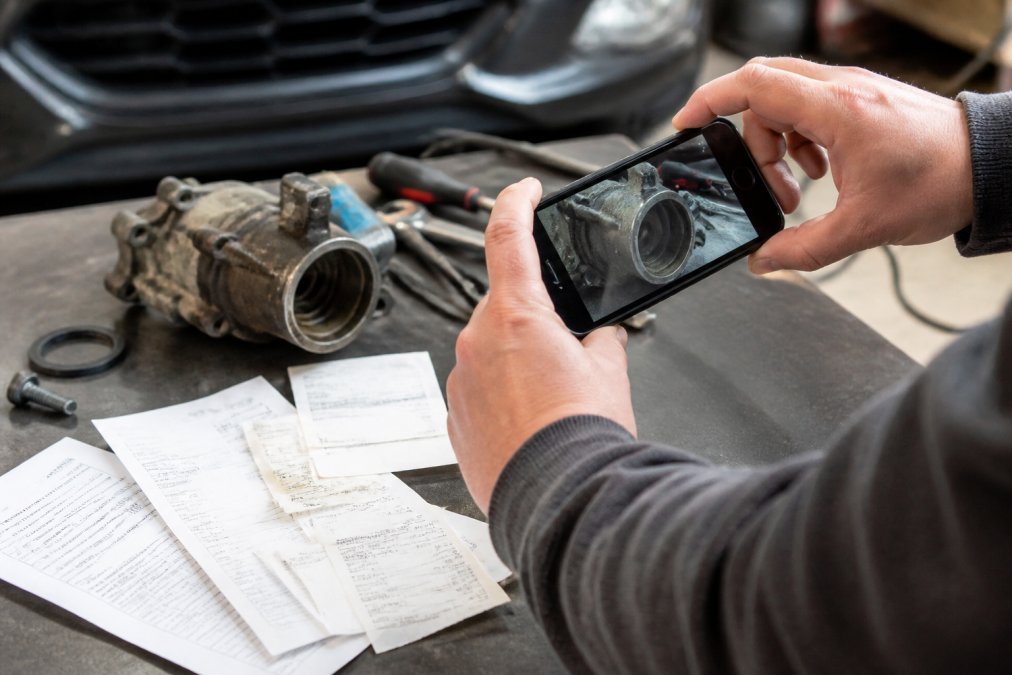
Photograph and preserve physical evidence
Take multiple photographs of the faulty part from different angles, capturing the part itself, any visible damage or defects, and how it failed within your vehicle. Include clear shots of manufacturing defects, cracks, corrosion, or wear patterns that shouldn’t exist in a new or relatively new component.
Keep the physical component. Don’t discard it, even after replacement. This tangible evidence is invaluable if your dispute escalates. If the part failed catastrophically, photograph the failure site in your vehicle and any damage to surrounding components caused by the faulty part.
Keep all receipts and correspondence
Retain every document related to the purchase and installation: original receipt, invoice, warranty paperwork, service records, and communications with the supplier or repairer. Write down the date the fault became apparent and any symptoms observed before failure. Keep records of all communications with the supplier or repairer, including emails, phone call dates, and names of people you spoke with. Follow up verbal communications with a written summary sent via email to create a paper trail.
Organised documentation transforms a "he said, she said" situation into a clear factual record that strengthens your position when escalating a dispute.
Step 2: Understand Your Rights Under Australian Consumer Law for Car Repairs
Australian Consumer Law provides statutory rights that protect you when you purchase faulty car parts or pay for repairs. These rights exist regardless of what a warranty document states.
Consumer guarantees vs. manufacturer warranties
Consumer guarantees are automatic legal rights granted under the Australian Consumer Law. They apply to goods and services supplied by traders and cover merchantable quality and fit for purpose. These guarantees exist for a set period, typically six years for goods, though some states have different timeframes for vehicles (accc.gov.au).
A manufacturer warranty is a separate promise made by the manufacturer about their specific product, typically covering defects in materials and workmanship for 12 months to 3 years (accc.gov.au). The critical distinction: consumer guarantees are your legal minimum protection. A manufacturer warranty that’s weaker than your consumer guarantee rights doesn’t override those rights. You can pursue a claim under consumer guarantees even if the manufacturer’s warranty has expired, provided you’re within the statutory timeframe.
What constitutes merchantable quality and fit for purpose
Merchantable quality means the product must be safe, durable, and fit for purposes a reasonable consumer would regard as normal. A faulty car part that fails prematurely, causes safety hazards, or doesn’t perform its basic function fails this test.
Fit for purpose means the product must be suitable for the specific purpose you made known to the supplier. If you told the supplier you needed a part for a 2005 Honda Civic and they sold you a part that doesn’t fit or work in that vehicle, it’s not fit for purpose. These concepts are broader than manufacturer warranties and often apply to defective parts even if they’re brand new.
Step 3: Proving a Manufacturing Defect in Car Parts
Proving that a part is genuinely defective, rather than damaged by installation, abuse, or normal wear, requires a structured approach. Manufacturing defects are physical flaws introduced during production.
Technical assessment and failure analysis
A manufacturing defect typically shows itself through premature failure, visible manufacturing flaws (cracks, poor welds, misalignment), or consistent failure patterns across multiple units of the same part number. Examine the failed part carefully for signs the defect existed before installation: casting porosity, welding defects, incorrect material composition, or design flaws.
The failure pattern matters. Manufacturing defects often cause sudden, catastrophic failure because the flaw compromises structural integrity, whereas gradual wear is more typical of normal aging or abuse.
When to seek professional evaluation
For complex components, engage a qualified mechanic or technical specialist to examine the part. Their professional assessment carries significant weight in disputes and is particularly valuable if your dispute escalates to small claims court. A detailed report from a qualified mechanic establishes credibility and provides objective evidence. If the faulty part created a safety hazard or caused damage to other vehicle components, get that documented by a professional too.
Step 4: How to Make a Warranty Claim for Auto Parts
A warranty claim is your formal request for remedy, typically a replacement, refund, or repair. The process differs depending on whether you’re claiming under consumer guarantees or a manufacturer warranty, but both require clear documentation and a structured approach.
Submitting your claim with proper documentation
Contact the supplier or manufacturer in writing via email, which creates a timestamped record. Clearly state that you’re making a warranty claim and specify the grounds: the part is defective, not of merchantable quality, or not fit for purpose. Include your proof of purchase, photographs of the faulty part, and a concise description of the fault.
Be specific about what remedy you’re seeking: replacement, refund, or repair. Set a reasonable timeframe for response, typically 5-10 business days. Keep the tone professional and factual. If the supplier doesn’t respond or refuses your claim without valid reason, follow up in writing, referencing your original claim and requesting a formal written explanation.
Understanding what your warranty covers
Read the warranty documentation carefully, noting the coverage period, what’s included, and what’s explicitly excluded. Most warranties exclude damage caused by improper installation, misuse, or accident. Check whether the warranty is transferable if you purchased a used vehicle. Document any warranty exclusions that don’t apply to your situation, as vague exclusions may not hold up in dispute.
Step 5: What to Do If a Mechanic Installs a Faulty Part
When a repairer installs a faulty part, responsibility becomes more complex. The repairer may be liable for the defective part itself, the installation quality, or both.

Identifying installation error vs. manufacturing defect
An installation error occurs when the repairer installs a good part incorrectly, involving improper torque specifications, incorrect orientation, missing fasteners, or failure to follow manufacturer instructions. A manufacturing defect means the part is inherently flawed, regardless of how it was installed.
Examine the failed part and installation site for signs of improper installation: stripped threads, bent components, misalignment, or evidence the part wasn’t secured correctly. If the part failed in a way that proper installation couldn’t have prevented, the defect is manufacturing-related.
Holding the repairer accountable
If the repairer installed the faulty part, they’re responsible for the quality of their work. Under consumer guarantees, the service of installing a replacement part must be performed with due care and skill. Contact the repairer in writing, describing the failure and your evidence that it resulted from installation error. Request they correct the work at no charge.
If the repairer refuses, escalate to the relevant consumer protection body in your state or territory. Document the cost of having the work corrected by another repairer, as you can pursue compensation for rectification work performed elsewhere.
Step 6: Escalating Your Dispute to Small Claims Court
When a supplier or repairer refuses a reasonable warranty claim and you’ve exhausted informal resolution, small claims court offers a formal dispute resolution pathway designed to be accessible without legal representation.
When to pursue legal action
Small claims court is appropriate when the value of your claim falls within the court’s jurisdiction limit (typically AUD$5,000 to AUD$10,000, depending on your state or territory) (courts.sa.gov.au). Before filing, ensure you’ve documented everything, attempted resolution in writing, and given the other party reasonable opportunity to respond.
Legal action makes sense when the faulty part caused significant damage, safety concerns, or financial loss beyond the part’s cost. Consider whether you have sufficient evidence: receipts, photographs, correspondence, professional assessments, and witness statements.
Preparing your evidence and legal notice
Before filing, send a formal legal notice to the other party stating your claim clearly, the amount you’re seeking, and the legal basis. Give them 14 days to respond or offer settlement. Compile all evidence into a logical sequence: proof of purchase, photographs of the fault, correspondence about the claim, professional assessments, and calculations of your losses.
Research the specific small claims court procedures in your state, as they vary. Bring all original documents to court and be prepared to explain your evidence clearly. Focus on facts, not emotions, presenting your case logically.
Step 7: Preventing Future Issues with Faulty Parts
The best approach to faulty car parts is preventing them in the first place through choosing reliable suppliers, verifying product safety, and understanding how installation decisions affect part longevity.
Choosing reliable suppliers and verifying safety recalls
Purchase from established suppliers with strong reputations and clear warranty policies. Vertexark Auto Parts, for example, offers industry-leading warranties and a commitment to exact fit, which reduces the risk of fitment issues. Check supplier reviews and verify the part hasn’t been subject to a safety recall by checking the manufacturer’s website.
Confirm the part is genuine or a quality aftermarket equivalent appropriate for your vehicle. If a price seems unusually low, investigate why.
DIY installation best practices
If you’re installing parts yourself, follow the manufacturer’s specifications exactly. Use the correct fasteners, torque specifications, and assembly sequences. Invest in proper tools, such as a torque wrench, to ensure fasteners are tightened correctly.
Document your installation process with photographs. Test the installed part before relying on it for critical driving. Keep records of parts you install, including part numbers, installation dates, and any issues encountered.
Handling faulty car parts requires patience, documentation, and understanding your legal rights. The process starts the moment you suspect a fault: photograph the part, preserve the evidence, and document your correspondence. Most disputes resolve quickly when you approach them professionally and back your claims with solid evidence.
When you’re ready to source quality replacement parts backed by genuine warranty protection, Vertexark Auto Parts offers exact-fit components, industry-leading warranties, and fast shipping designed to keep your vehicle reliable. With a 100% customer satisfaction commitment and easy returns, you can purchase with confidence knowing your investment is protected.
Frequently Asked Questions
Q: What are my statutory rights if I receive a faulty car part?
A: Under the Australian Consumer Law, you have statutory rights to receive goods that are of merchantable quality and fit for purpose. If a car part is faulty, you can claim a remedy including repair, replacement, or refund. These consumer guarantees apply regardless of any manufacturer warranty. The key is proving the defect existed at the time of purchase, not that it developed through normal wear.
Q: How do I prove a car part is defective rather than damaged by installation?
A: Photograph the part immediately upon discovery of the fault, noting any manufacturing marks, cracks, or component failures. Keep all original packaging and documentation. If the fault appears to stem from a manufacturing defect (such as material weakness or design flaw rather than impact damage), request a technical assessment from a qualified repairer. Written correspondence detailing when the failure occurred and under what conditions strengthens your proof.
Q: What should I include in a warranty claim for a faulty auto part?
A: Submit your warranty claim with proof of purchase, photographs of the faulty part, a detailed description of the failure, the date the fault was discovered, and your service history if applicable. Include any written correspondence with the supplier or mechanic. Check your warranty documentation for specific exclusions before submitting.
Q: Can I get compensation if a mechanic installed a faulty part that failed?
A: Yes. If a mechanic installs a faulty part, you can pursue compensation from either the supplier (for the defective component) or the repairer (for installation error or failure to identify the defect). Document the failure, obtain a technical assessment confirming the part was faulty at installation, and send written correspondence requesting remedy. If the repairer refuses, you may escalate to small claims court or lodge a dispute resolution claim.
This article was written using GrandRanker