



Supercheap Auto vs Online Auto Parts: 2026 Comparison
Table of Contents
- Supercheap Auto vs Online Auto Parts: What Sets Them Apart
- How to Verify Car Parts Compatibility Before Ordering
- Shipping Times for Car Parts: Speed and Reliability
- Auto Parts Warranty and Returns Policy: What You Need to Know
- Pricing Structures and Trade Discounts
- Customer Service and Technical Support
- Which Retailer Should You Choose?
Last Updated: August 25, 2026
Supercheap Auto vs Online Auto Parts: What Sets Them Apart
When you need a replacement part for your vehicle, the choice between shopping at a physical retailer like Supercheap Auto and ordering from an online auto parts supplier has become increasingly complex. Both channels offer distinct advantages, and understanding how Supercheap Auto vs Online Auto Parts retailers differ can save you time, money, and frustration. At Vertexark Auto Parts, we’ve analysed how these two shopping approaches serve car owners differently, and the decision ultimately depends on your specific needs, timeline, and priorities.
The automotive aftermarket has fragmented significantly over the past decade. Physical retailers dominate the convenience factor for walk-in customers needing immediate solutions. Online suppliers, meanwhile, have built their competitive edge around broader inventory selection, competitive pricing structures, and the ability to source parts that may not be stocked locally. Neither approach is universally superior, they simply serve different customer scenarios.
This comparison explores eight critical factors that separate these retail models: compatibility verification, shipping reliability, warranty coverage, pricing structures, customer support quality, and the practical trade-offs between immediate availability and selection depth. Whether you’re a DIY mechanic performing routine servicing, a performance enthusiast upgrading engine components, or a budget-conscious owner seeking guaranteed-fit replacements, understanding these differences ensures you choose the right channel for your specific situation.
How to Verify Car Parts Compatibility Before Ordering
The single most common concern when buying automotive parts online is fitment uncertainty. Ordering the wrong part wastes time and creates frustration, particularly when you’re working against a deadline to get your vehicle back on the road. Verification happens differently depending on whether you’re shopping in-store or online, and getting this step right prevents costly mistakes.
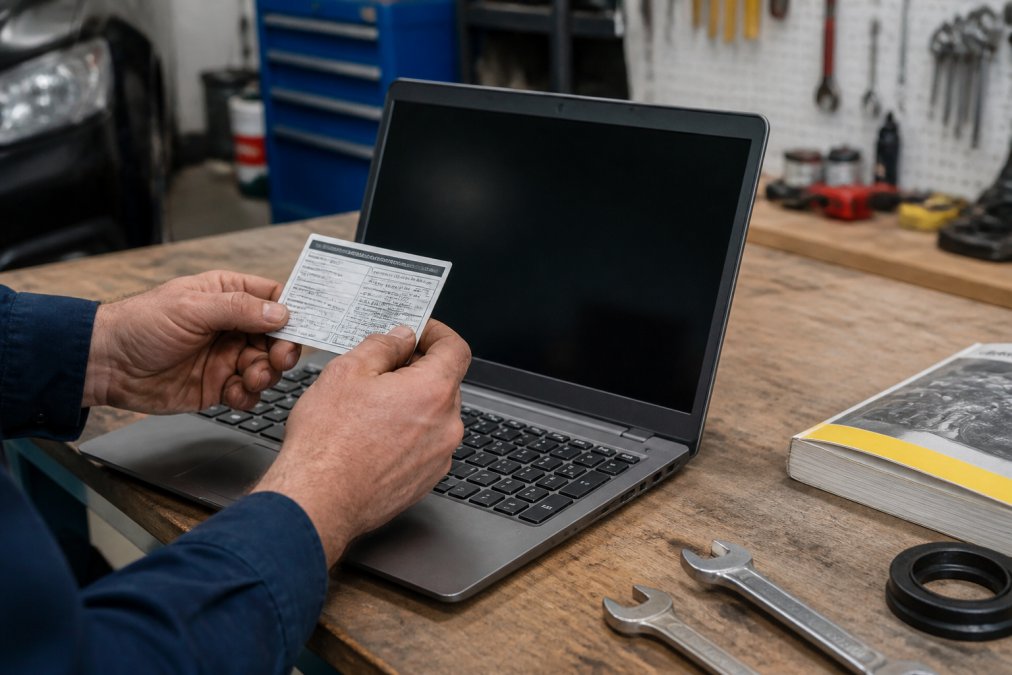
Verify your vehicle’s specifications before any purchase. Start with your Vehicle Identification Number (VIN), which contains encoded information about your car’s year, make, model, engine type, and transmission. Most online retailers, including Vertexark Auto Parts, use VIN-based compatibility systems that cross-reference your specific vehicle against their inventory database. This automated matching eliminates guesswork and ensures the part you order is engineered for your exact vehicle configuration.
Physical retailers like Supercheap Auto require you to provide this information verbally or manually check compatibility charts. The advantage is immediate human feedback, a staff member can ask clarifying questions about your vehicle’s specific configuration. The disadvantage is that verification depends entirely on staff knowledge and accuracy. Online systems automate this process, reducing human error.
For technical specifications, gather these details before ordering:
- Year, make, model, and trim level of your vehicle
- Engine displacement and type (petrol, diesel, hybrid)
- Transmission type (manual, automatic, CVT)
- Specific subsystem details (brake system type, suspension configuration)
- Current part numbers if replacing an existing component
Online retailers often provide compatibility filters that narrow results to your vehicle automatically. Physical stores require you to either know these specifications or rely on staff assistance. Vertexark Auto Parts uses VIN verification to guarantee exact-fit parts, which addresses the primary concern most DIY mechanics express about online ordering: the risk of receiving components that don’t actually fit.
Cross-reference part numbers whenever possible. If you’re replacing an existing component, note its part number and verify it matches the replacement you’re ordering. Different manufacturers sometimes use identical part numbers for different vehicle applications, so matching both the part number and your vehicle’s VIN provides double confirmation.
Shipping Times for Car Parts: Speed and Reliability
The decision between Supercheap Auto and online auto parts retailers often hinges on how quickly you need your part. Shipping speed and logistics reliability represent the most significant operational difference between these channels, and understanding realistic timeframes prevents disappointment.
Physical retailers offer same-day or next-day availability if the part is in stock locally. This immediacy is their strongest advantage when you’re working against tight deadlines. However, stock availability varies dramatically by location and part type. Specialty items, performance components, and parts for less common vehicle models frequently require ordering from distribution centres, which eliminates the speed advantage.
Online retailers operate from centralised warehouses with broader inventory depth. This means they’re more likely to have your specific part in stock, but delivery introduces a time variable. Standard shipping typically takes 3-7 business days depending on your location and the retailer’s logistics network (the FTC). Express options reduce this to 1-3 business days but add cost. For time-sensitive repairs, this delay may be unacceptable. For planned maintenance or performance upgrades, the extended timeline rarely matters.
The logistics reliability question matters equally to speed. Physical retailers stock parts locally but depend on your store having inventory. Online suppliers maintain centralised stock but depend on courier networks. Both systems fail occasionally, physical stores run out of popular items, and courier delays happen. The difference is visibility: online retailers typically provide order tracking, allowing you to monitor your shipment. Physical retailers offer no tracking mechanism; you either find the part in stock or you don’t.
Physical Store Pickup vs Home Delivery
Many online retailers now offer local pickup options at physical locations, blurring the traditional distinction. This hybrid approach combines online ordering’s inventory breadth with physical retail’s convenience. You order online, the system reserves the part from a nearby location, and you collect it within 24-48 hours. This works well if your local store carries the item and you have flexibility in your schedule.
Home delivery eliminates the trip to a physical location but introduces dependency on courier reliability. Weather, traffic, and delivery network capacity affect arrival times. In regional areas, delivery times extend significantly, rural locations may require 7-14 days for standard shipping. Urban centres typically see faster service due to higher delivery density.
Auto Parts Warranty and Returns Policy: What You Need to Know
Warranty coverage and return policies represent critical protection mechanisms, particularly when you’re purchasing consumables or components from unfamiliar retailers. The differences between Supercheap Auto and online suppliers can be substantial, and understanding what’s actually covered prevents expensive surprises.
Most automotive aftermarket parts carry manufacturer warranties ranging from 12 months to lifetime coverage, depending on the component type (the FTC). Engine parts, electrical components, and mechanical systems typically carry 12-24 month warranties. Wear items like filters, belts, and brake pads often carry shorter coverage or none at all. Warranty terms don’t typically differ between physical and online retailers, the manufacturer’s warranty travels with the part regardless of where you purchased it.
The critical difference lies in return policies and retailer support when warranty claims arise. Physical retailers like Supercheap Auto allow you to return parts to the store where you purchased them, providing immediate resolution for defective items. Online retailers require shipping the part back, which introduces cost, time, and complexity. Some online retailers cover return shipping; others charge you for the privilege of returning a defective component.
Vertexark Auto Parts stands behind its inventory with industry-leading warranty coverage and easy returns. If a part fails prematurely or doesn’t fit your vehicle as specified, the return process should be straightforward without hidden exclusions or unreasonable timeframes. This matters significantly when you’re depending on a retailer you’ve never physically visited.
Check the specific warranty terms before purchasing:
- Coverage duration (12 months, 24 months, lifetime)
- What’s excluded (installation labour, damage from misuse, modifications)
- Return shipping responsibility (retailer paid vs. customer paid)
- Replacement vs. refund policy
- Timeframe for initiating warranty claims
Online retailers increasingly recognise that hassle-free returns build customer loyalty. The trend is toward retailer-paid return shipping and rapid replacement without requiring extensive documentation. Physical retailers have no shipping friction, so their return processes tend to be faster in practice, though policies vary.
Pricing Structures and Trade Discounts
Price comparison between Supercheap Auto and online auto parts retailers reveals complex dynamics. Headline prices often differ, but the true cost depends on volume, loyalty programs, and whether you qualify for trade discounts.
Physical retailers like Supercheap Auto typically maintain consistent pricing across locations but offer trade discounts for professional mechanics and fleet customers (the FTC). These discounts can range from 10-30% depending on purchase volume and relationship status. Casual DIY customers pay full retail price, which is often higher than online equivalents for the same component.
Online retailers compete primarily on price and often undercut physical retail significantly. Their lower overhead costs, no store leases, smaller staff requirements, automated systems, allow margin compression. However, pricing varies considerably between online suppliers. Some position themselves as budget options; others target premium segments with higher prices justified by warranty coverage or customer support quality.
Volume pricing matters across both channels. Buying multiple items in a single transaction often triggers discounts. Loyalty programs reward repeat customers. Subscription or membership models (such as trade accounts) provide ongoing discounts. Comparing unit prices across retailers requires normalising for these variables, the cheapest headline price may not represent your actual cost if you’re buying multiple items or qualify for volume discounts.
Vertexark Auto Parts structures pricing competitively while maintaining focus on parts quality and warranty coverage. Rather than competing purely on price, the value proposition centres on guaranteed exact-fit components backed by industry-leading warranties and fast shipping. For budget-conscious buyers, this positioning may seem premium. For those prioritising reliability and support, the pricing reflects the comprehensive service model.
Customer Service and Technical Support
The quality of customer support distinguishes retailers significantly, particularly when you’re uncertain which part you need or encounter installation challenges. Physical retailers offer immediate human interaction; online suppliers must provide support through digital channels.
Physical retailers like Supercheap Auto employ staff who can physically inspect your vehicle, discuss your specific situation, and recommend appropriate parts. This face-to-face interaction builds confidence and catches mistakes before you leave the store. However, staff expertise varies dramatically. Some locations employ experienced mechanics; others staff with sales-focused personnel with limited technical knowledge.
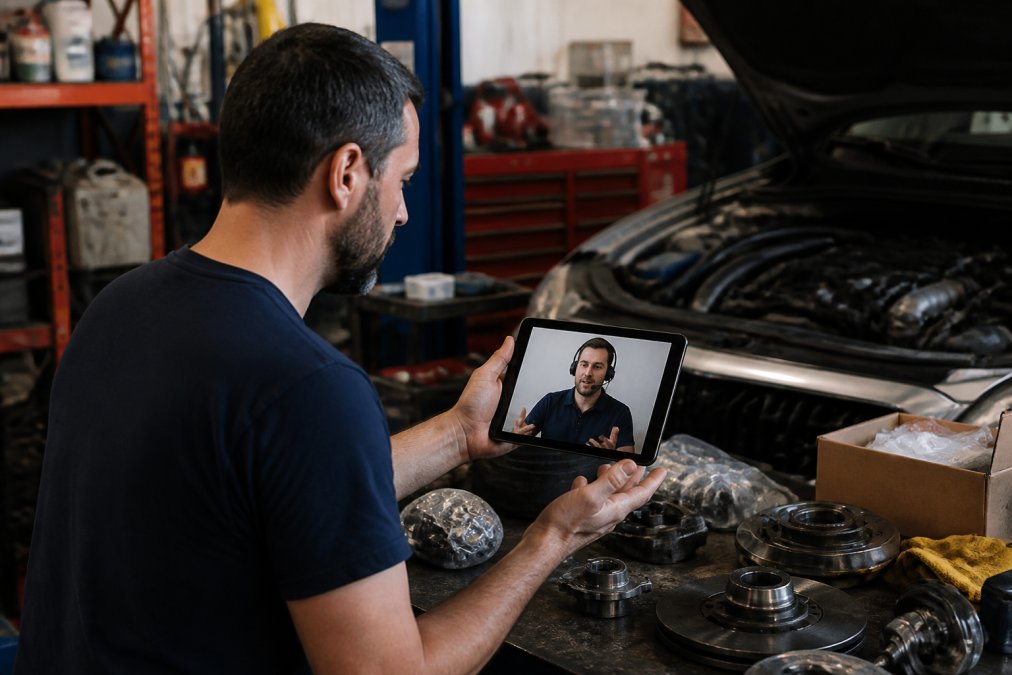
Online retailers cannot provide in-person support, so they must excel at remote assistance. The best online suppliers offer multiple contact channels: email, phone, live chat, and sometimes video consultation. Response times vary from immediate (live chat) to 24-48 hours (email). Vertexark Auto Parts provides real people available to answer technical questions about parts compatibility, installation guidance, and troubleshooting. This matters significantly when you’re working on an unfamiliar repair or installing performance components requiring specific knowledge.
A common mistake is assuming online retailers provide inferior support. Many online suppliers employ experienced mechanics and engineers who provide superior technical guidance compared to retail store staff. The difference is channel, not quality. You’re speaking with someone knowledgeable, but through a screen rather than across a counter.
Consider these support factors:
- Availability during your working hours (evenings and weekends matter for DIY mechanics)
- Multiple contact channels (phone, chat, email)
- Response time expectations
- Technical expertise (can they answer detailed mechanical questions?)
- Installation guidance (do they provide documentation or video support?)
- Warranty claim support (how quickly do they process issues?)
Which Retailer Should You Choose?
The optimal choice between Supercheap Auto and online auto parts retailers depends on your specific situation, not on which channel is universally "better." Each serves different customer needs effectively.
Choose Supercheap Auto when:
- You need the part today or tomorrow and can’t wait for shipping
- You’re uncertain about fitment and want immediate expert verification
- You prefer face-to-face interaction and immediate problem-solving
- You’re buying consumables or basic parts where price is the primary consideration
- You want to inspect the part physically before purchasing
Choose online auto parts retailers (including Vertexark Auto Parts) when:
- You have time for shipping and want access to broader inventory
- You need specialty or performance components unlikely to be stocked locally
- You prioritise warranty coverage and customer support quality
- You want competitive pricing without sacrificing part quality
- You prefer researching options at your own pace without sales pressure
The hybrid approach increasingly makes sense: use online retailers for planned maintenance and performance upgrades, where inventory selection and price matter most. Use physical retailers for emergency repairs where immediate availability trumps other factors. Many modern car owners maintain both relationships, choosing the right tool for each situation.
Vertexark Auto Parts serves customers prioritising exact-fit guarantee, industry-leading warranty coverage, and responsive technical support. If your primary concern is receiving the correct part quickly with confidence that it will fit your specific vehicle and perform reliably, online ordering from a retailer focused on these factors eliminates the uncertainty that makes many DIY mechanics hesitant about online purchasing.
The automotive parts market has matured to the point where both channels offer legitimate value. The question isn’t which is better, it’s which serves your specific needs better. Understanding the operational differences, trade-offs, and genuine capabilities of each approach ensures you make an informed decision aligned with your priorities.
Frequently Asked Questions
Q: How do I know if online auto parts will fit my specific vehicle model?
A: Most online auto parts retailers require your vehicle's year, make, and model to filter compatible components. Enter your VIN (vehicle identification number) for the most accurate results. Reputable online retailers provide detailed fitment information. Always verify the part number matches your vehicle's specifications before ordering. If unsure, contact the retailer's customer support team, they can confirm compatibility before you purchase.
Q: What's actually covered under an auto parts warranty?
A: Warranties typically cover manufacturing defects and premature failure due to faulty materials or workmanship. Most do not cover damage from improper installation, misuse, or normal wear. Coverage periods vary, some offer 12 months, others longer. Check the specific warranty terms before buying, as exclusions differ between retailers. Ask whether the warranty covers both parts and labour, and whether you can claim through the retailer or must return the part for inspection first.
Q: How fast can I actually get car parts delivered?
A: Delivery speed depends on your location and the retailer's warehouse. Physical stores offer immediate pickup if stock is available. Online retailers typically deliver within 2-7 business days, with express options available in major areas. Remote locations may take longer. Track your order once dispatched to confirm arrival. If you need parts urgently, check whether the retailer stocks your specific part in-warehouse before ordering, back orders can add weeks to delivery times.
Q: Why would I pay more at an online retailer when Supercheap Auto has lower prices?
A: Price is one factor, but online retailers often differentiate through faster shipping, industry-leading warranties, guaranteed exact fit guarantees, and specialised customer support for fitment verification. Some focus on performance-grade components or rare parts for older vehicles. Online-only retailers may also offer easier returns and better after-sales support. Compare total value, including warranty, shipping speed, and support quality, not just the unit price.
Choosing between physical retailers and online auto parts suppliers ultimately comes down to your timeline, technical confidence, and priorities. If you value guaranteed exact-fit parts backed by industry-leading warranties and responsive technical support, Vertexark Auto Parts delivers fast shipping, easy returns, and real people available to answer your questions. Shop now and experience the difference that focused customer service makes when you’re working on your vehicle.
This article was written using GrandRanker